
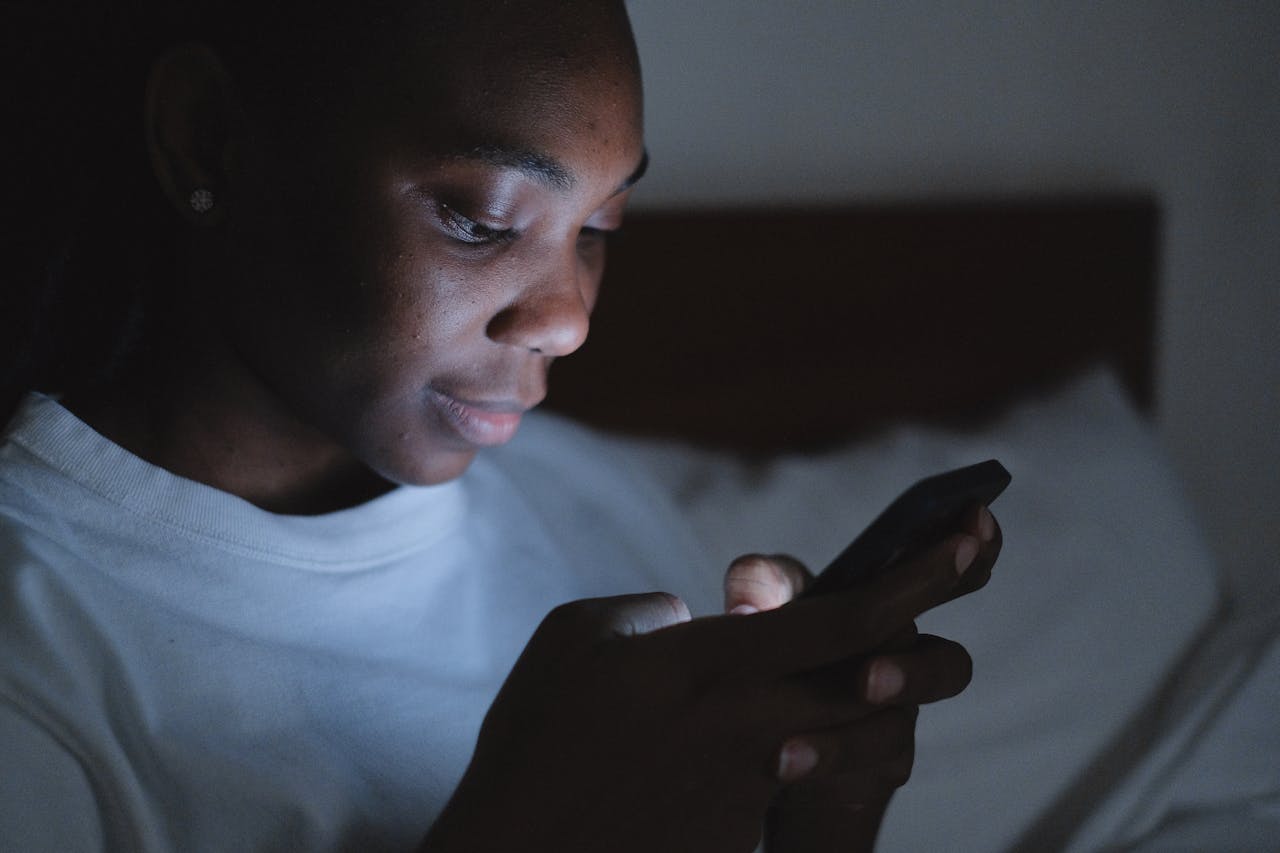
You’ve heard the advice a hundred times: “Don’t look at your phone before bed.” But in our modern world, that’s easier said than done. Maybe you’re answering one last email, winding down with a show, or scrolling through social media. It feels harmless, but that nightly habit could be the very thing sabotaging your sleep and leaving you feeling tired the next day.
The culprit isn’t just the engaging content—it’s the specific type of light your screens emit. Let’s dive into the science of blue light and your sleep, and more importantly, what you can actually do about it.
The Science: Why Blue Light and Sleep Don’t Mix
To understand the problem, we need to talk about your body’s internal clock, known as your circadian rhythm. This 24-hour cycle is regulated by a tiny part of your brain that responds to light cues. The most powerful cue? The sun.
During the day, sunlight is rich in blue wavelengths. This blue light is beneficial—it boosts your attention, reaction times, and mood. It also tells your brain to suppress the production of melatonin, the hormone that makes you feel sleepy.
Here’s the catch: your smartphone, tablet, laptop, and TV all emit significant amounts of this same blue light. When you use these devices in the evening, your brain receives a confusing signal. It interprets the blue light as “daytime,” which halts the melatonin production you need to feel drowsy and fall asleep naturally.
The result? It takes you longer to fall asleep, you get less restorative deep sleep, and you may wake up feeling unrefreshed. Over time, this disruption can have serious effects on your health, energy levels, and cognitive function.
Your Action Plan: 5 Ways to Fight Blue Light and Reclaim Your Sleep
You don’t have to choose between modern life and good sleep. Here are five practical strategies to minimize blue light exposure and protect your slumber.
1. Embrace the “Screen Curfew”
This is the most effective solution. Aim to power down all electronic devices at least 60-90 minutes before your bedtime. This gives your brain adequate time to ramp up melatonin production naturally. Replace screen time with a relaxing activity like reading a physical book, listening to a podcast or music, gentle stretching, or journaling.
2. Enable Night Shift / Blue Light Filter
All modern devices have built-in settings to reduce blue light emission. On Apple devices, it’s called Night Shift; on Android and Windows, it’s often called Night Light or Blue Light Filter. Schedule this feature to turn on automatically at sunset or a set time in the evening. The screen will take on a warmer, yellowish hue, which is far less disruptive to your circadian rhythm.
3. Invest in Blue Light Blocking Glasses
If you must use a screen in the evening (for work or otherwise), blue light blocking glasses are a fantastic investment. These glasses have lenses with a special coating that filters out the blue light spectrum. Wearing them a few hours before bed can significantly help your body prepare for sleep, even if you’re looking at a screen.
4. Dim the Lights and Use Dark Mode
Bright overhead lights in the evening can also suppress melatonin. About an hour before bed, switch to softer, warmer lighting, like lamps with dimmable bulbs. Also, enable “Dark Mode” or “Dark Theme” on your apps and devices. The dark background with light text is easier on the eyes and emits less overall light.
5. Optimize Your Bedroom Environment
Make your bedroom a true sanctuary for sleep. Charge your phone outside the bedroom. This simple habit eliminates the temptation to check it last thing at night or first thing in the morning. If you use your phone as an alarm clock, buy an inexpensive standalone alarm clock instead.
You don’t need to eliminate technology from your life. The goal is to create smarter habits that allow you to use your devices without letting them interfere with your essential need for rest.
By being mindful of your screen time in the evening and implementing even one or two of these strategies, you can silence the disruptive signal of blue light. You’ll give your body the dark cue it needs to produce melatonin, making it easier to fall asleep, stay asleep, and wake up feeling truly restored.
Your turn! Have you tried any of these strategies? What’s your biggest challenge when it comes to unplugging before bed?





Leave a Reply